
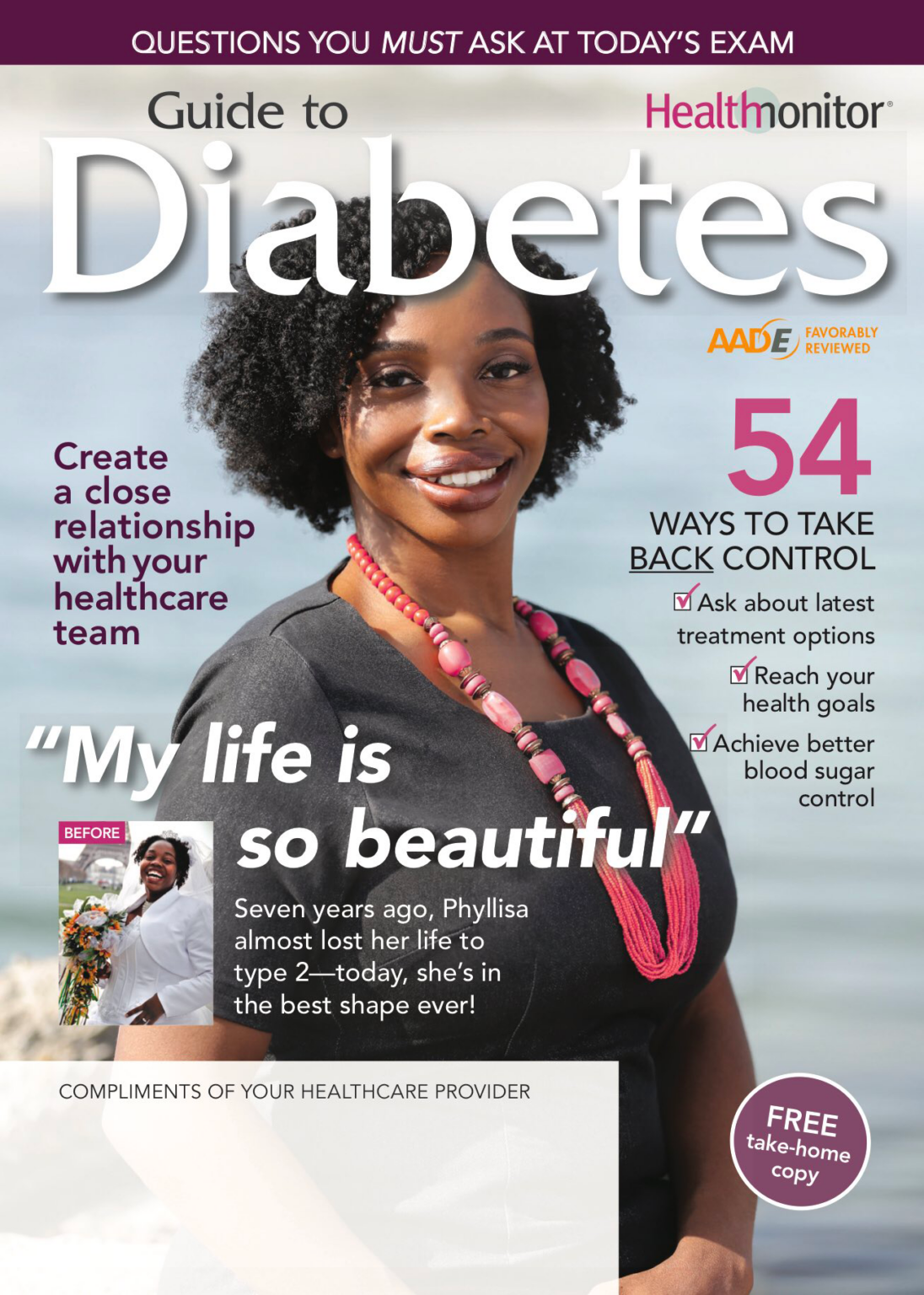
 When I was diagnosed with diabetes in February 2011, I was given educational pamphlets about diabetes during my 6-day stay in the hospital. At the time they didn’t know which type of diabetes I had, so I received material on both type 1 and type 2. When I was released from the hospital and followed up with my endocrinologist, I was misdiagnosed with type 2 diabetes (although I only learned about the misdiagnosis last summer, eight years later). That appointment, however, began my journey into learning how to manage diabetes. This is a peek inside that journey.
All the reading material, be it in print or on the web, began by stating risk factors for developing type 2 diabetes. Without fail, one of the first two statements about risk factors read:
“Are Black, Hispanic/Latino, American Indian, Asian American, or Pacific Islander”
Imagine starting your journey of learning how to manage a chronic illness while being emotionally and physically vulnerable and reading those words. Imagine being black and reading that just being a black person puts you at risk for diabetes. Did you feel the sting? I did. After all, that risk factors, as they state them, are only about skin tone. They don’t give any additional information. They don’t state poverty is a risk factor, which it is. They don’t say living in a food desert is a risk factor, which it is. They don’t state poor education is a risk factor, which it is. These affect white people too. After looking at that sentence again and again in various places, I wondered if there was something inherent within my melanin that caused diabetes. It took me a long time to understand that my skin wasn’t the issue, the presentation of the material was the issue. I wish our diabetes organizations would stop being lazy when conveying diabetes risk factors. I say lazy because if you search for diabetes risk factors it looks like someone thought it was a good idea to list race and race alone as a risk factor and everyone else copied and pasted it. I want to see some unpacking of these risk factors. My race isn’t a risk factor, racism against me because of my beautiful brown skin, is the risk factor. The constant denial of services, treatments, professional care, and respect based on my skin is the risk factor.
Imagine these two diabetes pamphlets…
Pamphlet A: Diabetes risk factors include being a black person.
 Pamphlet B: Diabetes risk factors include the impact of systemic racial injustice. The increased level of fear you feel knowing that your life is less valued. The daily microaggressions you experience like having strangers touch your hair or being followed around inside stores as you shop. The lack of easy access to healthy and affordable foods close to your neighborhood. The trauma of watching innocent black people murdered and their killers go free. The anxiety of going to church and not knowing if a white visitor will kill the entire congregation. The pain of knowing that your ancestors were stolen, beaten, raped, miseducated, lynched, and disenfranchised. The depth of oppression towards black bodies has been proven to have an impact at the cellular level and carrying all of that around day in and day out puts black Americans at risk for developing diabetes.
Pamphlet A blames black people for developing diabetes. Pamphlet B provides education without adding another level of blame to the emotional turmoil of being newly diagnosed with diabetes.
Moving beyond the risk factors, my journey included becoming keenly aware of being a black woman with diabetes because of the absence of black people in diabetes spaces. How is that possible? Think about when you’re at home and the power goes out suddenly. In an instant, you become intently aware of everything around you including the absence of light. You see your house differently even though it is the same. You can spot the smallest ray of light be it from a window or on an electronic device. The tiniest ray of light gets all of your attention in a sea of darkness.
The absence of black people living with diabetes from diabetes awareness campaigns, educational pamphlets, boards of large diabetes non-profits, management-level positions in diabetes companies, and pharmaceutical companies is like being in a house with the absence of light–its off-putting, uncomfortable, and makes you wonder how long will this last. The longer you sit in the darkness, however, you begin to get use to it even though you were never meant live in your home in the darkness. You need the harmony of balance that both light and dark bring, like shadows and angles. Our vision is sharper when different perspectives are accounted for.
 When I was newly diagnosed and searched the internet to learn how to check my blood sugar, I logged off wondering if black people checked their blood sugar because I couldn’t find images of black women and men checking their blood sugar. When I searched the internet to learn how to give myself an insulin injection, I wondered if black people gave themselves insulin injections. When I started taking a daily GLP-1 non-insulin injection, it was the same thing. At some point I had the most interesting epiphany. If I leave the internet wondering if black people engaged in basic diabetes management and I’m looking at the same internet as doctors, nurses, and medical personnel both professional and in-training, could they also be wondering the same thing? Could that be the reason why I was discharged from the hospital with a glucometer, but I didn’t have any test strips, lancets, or knowledge about how to check my blood sugar? Did they assume, based on the absence of representation, that I wouldn’t do the basics?
The absence is pervasive.
 When you’re diagnosed with any type of diabetes, a visit with a nutritionist or dietitian is a priority. I’ve grown to hate these appointments because I am always aware of my blackness through absence. When asked to “describe my favorite meals,” I’ve learned to avoid saying “I eat grits for breakfast, I could eat hoppin john for lunch, and smothered chops with a cup of souse would make a nice dinner any day.” The excitement of going to see a specialist to help me eat healthier dissolves when I have to explain these foods. The hope of gaining a deeper understanding of food nutrition fades when the expert fails to display interest in helping me figure out the carb count of foods unfamiliar to them. Disappointment sets in by the minute
  as the bulk of my appointment is spent discussing only meals that reflect their training and not meals that reflect my lived experience. When they pull out the fake food items and prepare an ideal plate, the vegetables are never collard greens or turnips. The carbs are never beans and rice cooked together. The meat options are never oxtails or red snapper. The fruit is never mango. There are never beef patties or cornbread. In agony, I get through those appointments thinking about the money I wasted on the co-pay.
The absence is alarming.
A year after of my diagnosis, I was disturbed by the absence so much that I created a website, Black Diabetic Info, for the purpose of providing culturally competent diabetes information and to show images of black people living well with diabetes. I wanted to show Black people from around the African diaspora checking their blood sugar, giving themselves injections, and eating Black folks’ food with the carb count information. I didn’t know where to begin, so I began with me. I wanted to add a spec of light in the sea of darkness. Ultimately, I didn’t want another person (no matter their race) to search the words “black and diabetic” and only find grim statistics about early deaths, blindness, and amputations.
What’s been “interesting,” for the lack of a better word, is that over the nine years, I’ve be subjected to questions and comments like this…
 Why black diabetic info, does diabetes have a color?
Why do you bring race into diabetes information?
Diabetes happens to everyone not just black people.
I also endure absence in the form of erasure. There have been times when I give my bio to an organization and it reads, “I started the blog Diagnosed Not Defeated in 2011 and a year later, I started the website Black Diabetic Info to provide culturally-competent diabetes information,” and the last part of my bio mysteriously disappears. This is why I’ve chosen to use Black Diabetic Info as my Instagram name right now, to avoid the erasure.
The absence is painful.
In the beginning, I’d try to explain my mission, but I got weary. After all, these comments only come from people who didn’t have to read their skin color is a risk factor for developing diabetes in EVERY SINGLE DIABETES BOOK and on EVERY SINGLE DIABETES WEBSITE. These people don’t leave the nutritionist’s office feeling depressed because they’ve been told that the only way to properly manage diabetes is to avoid their cultural foods. These people don’t search YouTube for diabetes-related how-to videos and struggle to find anyone who looks like them. When I have one of those rare spare moments to entertain insignificant things, I wonder if those few people who are bothered by my plight to bring positive representation into a void devote that same energy to dismantling negative representation or the lack of representation? Do they ask, “Why are only non-white races listed as risk factors for diabetes, we want to be included too because diabetes happens to everyone?” Thankfully, I don’t dwell on those comments for long because my amazing diabuddies from all races understand and support me. After all, when I learn about and publish photos of jerk chicken, rice and peas, and callaloo and salt fish, we all win! Why anyone would reject to learning about the beauty and challenges of managing diabetes in different cultures is beyond me. 
I’ll conclude here. Now, that I’ve been correctly diagnosed with type 1 diabetes and my search for knowledge and information begins all over again, I am still asking some of the same questions. I am still aware of my race within diabetes spaces because of the overwhelming absence. When this absence is constant, it becomes erasure, and erasure is an action that causes trauma.
I pray none of us gets use to sitting in the darkness and those that have gotten comfortable with it will welcome the light because many of us are radiating.
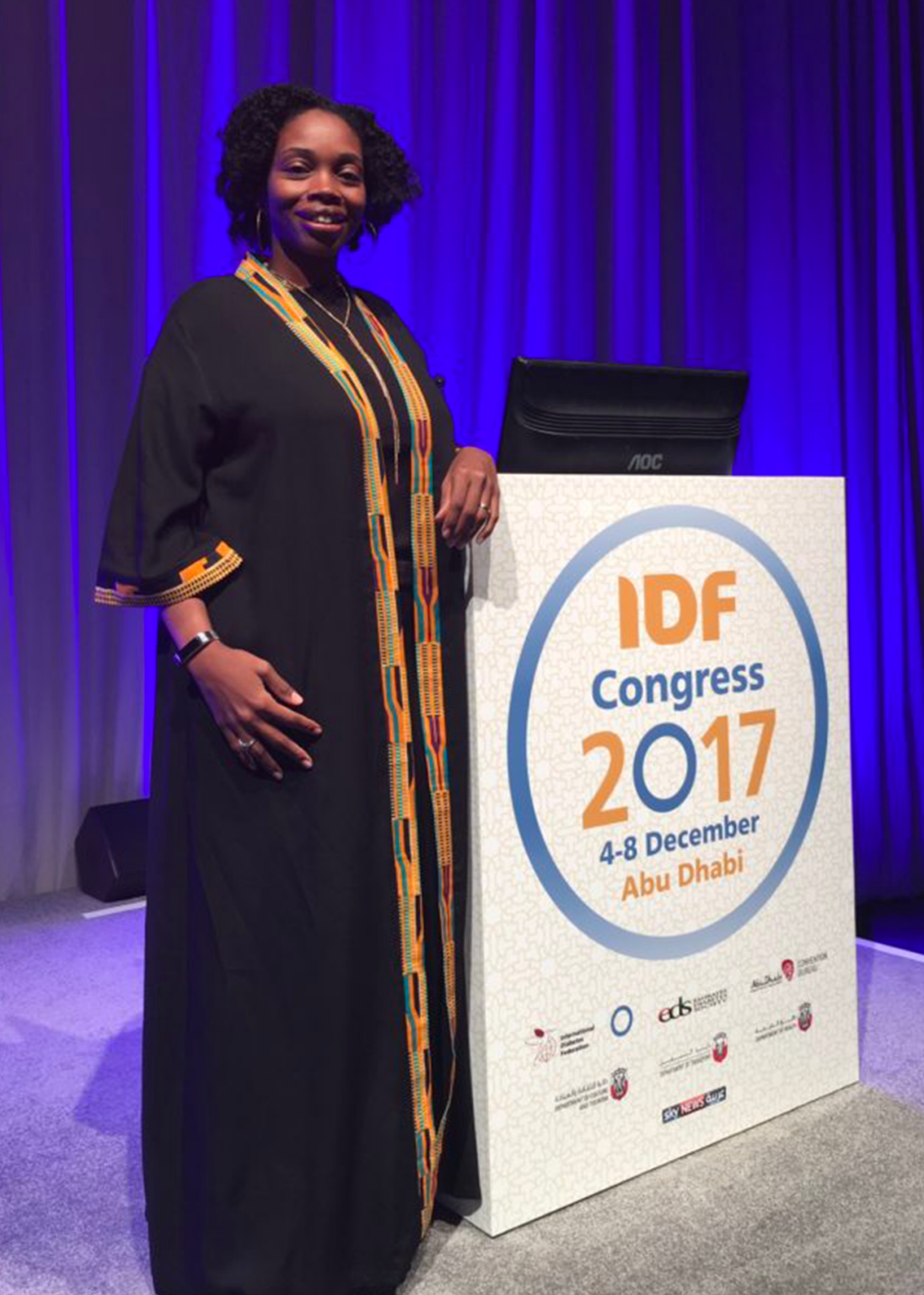
p.s. My services as a diabetes cultural critic, content creator, and diversity & inclusion specialist are for hire. So, if you read this and start looking for the much needed light in organization, inbox me.

Well heck, I am not an organization (ask Sheryl she will tell you my organization is not up to par), But if I were an organization I would hire you for certain.
I am sorry and maybe not sorry about the T1 dx. I say always that T1 or T2 are two sides of the same coin. I am sorry that you still are not seeing people of color in our community. I get it and I wish it different.
You are an amazing advocate, and pamphlet B should be the new pamphlet everywhere!
Wow! Thanks for sharing!
Thank you for this incredible article about your experience, your story, your voice about being black and managing diabetes. I can’t help but notice responses from our major organizations about race coming from…white people. Your pamphlet description really painted a picture in my mind about how you feel RIGHT at diagnosis. I’ve heard this story repeated by Mila Barkley who is another incredible black advocate in the diabetes space. For now, all I can say is thank you for your story. Will be working on opportunities to hand over the mic so your voice can be amplified.
Thank you Erik for reading the post and commenting. I look forward to seeing the opportunities manifest. Keep me posted.